Cognac isn’t just another brown spirit—it’s a French brandy with a rich history, centuries of craftsmanship, and a flavor profile ranging from bright and fruity to deep and complex. But how do you really get the most out of a glass of cognac? The good news is there’s no single “right” way.
Still, understanding a few basics can help you appreciate all the subtle nuances that make this spirit special.
1. Know What You’re Drinking
To drink cognac properly, it helps to start with a bit of knowledge. Cognac is a type of brandy made from specific grape varieties (mainly Ugni Blanc, but other kinds such as Colombard can be used as well) grown in the Cognac region of France. By law, it must be double-distilled in copper pot stills and aged at least two years in French oak barrels. This strict production process shapes every drop, giving it a complex character.
- Grades of Cognac:
- VS (Very Special): Aged at least 2 years, often bright, fresh, and fruity.
- VSOP (Very Superior Old Pale): Aged at least 4 years; typically smoother and more balanced.
- XO (Extra Old): Aged at least 10 years; richer, more layered flavors, and a silky mouthfeel.
- XXO (Extra Extra Old): Aged for a minimum of 14 years.
If you’re new to cognac, start with a VS or VSOP. This gives you a feel for the spirit without breaking the bank, and it helps you understand its basic flavors before venturing into pricier XO territory.
2. Pick the Right Glass
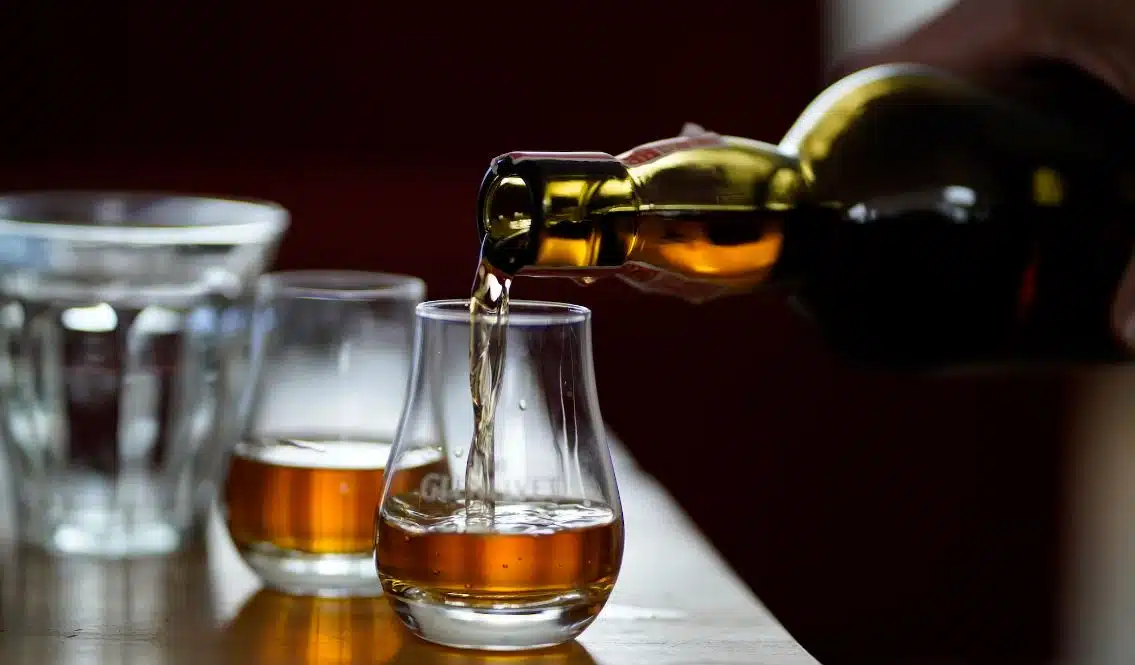
Believe it or not, the glass you choose can impact how you experience cognac. Those traditional wide-bowled snifters look fancy, but they’re not always the best for capturing aroma.
- Tulip-Shaped Glasses: A tulip or Copita-style glass narrows at the top, focusing the aromas and letting you enjoy the scent without overwhelming your nose with alcohol fumes.
- If You Only Have a Snifter: Hold it at the stem so you’re not warming the cognac too quickly with your hand’s heat. The idea is to bring out aromas gently, not cook the spirit in your palm.

3. Consider the Temperature
Cognac tastes best at room temperature—typically around 20°C (68°F). Too cold and you’ll mute its nuanced flavors; too warm and the alcohol might dominate. If your cognac is stored in a cool place, let it sit out for a bit before you pour. Room temperature allows the natural bouquet to unfold more gradually.
- Warming the Cognac: Gently cupping the glass might help release aroma. Just don’t overdo it; a few degrees warmer than room temperature is fine.
- Avoid Ice for Tasting: While dropping an ice cube in cognac can be enjoyable if you like a chilled, slightly diluted drink, it’s not ideal for fully appreciating its complexity. If you must chill it, consider chilling the glass (by letting it rest in the freezer for a little while prior to serving), using a whisky stone or adding a splash of cold water, but try it neat first.
4. Take In the Aroma First
Before you sip, smell. Gently swirl the cognac in your glass—just a small circle to release some aromas—and take a slow, measured sniff. Don’t shove your nose right in; hover above the rim and breathe in gently.
- What to Look For in the Aroma: Fruity notes (like apricot, peach, or citrus), floral accents (maybe jasmine or rose), hints of vanilla, caramel, toffee, chocolate, or even savory spices. You might notice more than one layer, and that’s exactly the point: cognac is complex.
- Don’t Rush: Give yourself a few moments to pick out different elements. Aromas will evolve as the cognac sits and interacts with air.

5. The First Sip
Take a small sip and let it coat your tongue. Resist the urge to gulp. This isn’t a shot—cognac is meant to be savored.
- Flavor Profile: Notice if it’s sweet, dry, fruity, or nutty. Pay attention to the mouthfeel—is it smooth, oily, or a bit hot from the alcohol?
- Finish: The finish is what happens after you swallow. Does the flavor linger or fade quickly? Do you notice new tastes as the warmth spreads?
6. Add Water or Ice (If You Must)
Purists enjoy cognac neat, but everyone’s palate is different. A few drops of room-temperature water can help open up the flavors, reducing the alcohol’s intensity and allowing subtler notes to shine through. If you’re still finding it strong, a small ice cube might make it more approachable. Just remember that ice dilutes the spirit quickly, so proceed with caution.
7. Pairing Cognac with Food
Cognac isn’t just a digestif—it can complement certain foods beautifully.
- Desserts: Rich chocolate cake, crème brûlée, or caramel flan bring out the liqueur’s sweeter notes.
- Cheese: Aged cheeses like Gouda or a strong blue cheese can create a lovely sweet-and-salty contrast.
- Savory Dishes: While less common, some enjoy cognac alongside roasted duck or a dry-aged steak. It’s all about experimentation.
8. Experiment with Cocktails
If you’re new to cognac or find neat sipping intense, try it in classic cognac cocktails. Drinks like the Sidecar and Vieux Carré highlight its complexity. Cocktails can ease you into the spirit’s world, and might even help you pinpoint flavors you enjoy the most.

9. Choose the Right Moment
There’s no rule that says you must enjoy cognac only after dinner, but traditionally, it’s sipped slowly in a relaxed setting. Think: after a meal, chatting with friends, reading a good book, or just winding down. The key is to not rush. Cognac is about the experience—its aroma, taste, and the memories you make while enjoying it.
Conclusion
Learning how to drink cognac “properly” isn’t about rigid rules. It’s about discovering the layers of flavor, choosing the right glass and temperature, and taking your time to appreciate all the work that went into each bottle.
Start with the basics: sip it neat, at room temperature, in a good glass. If you need to adjust from there, go for it—add a drop of water, pair it with a dessert, or try it in a cocktail. Over time, you’ll find your own perfect way to enjoy this iconic French spirit.
More How To Drink Guides: How to Drink Whiskey – How To Take a Shot of Tequila