Bitters—you’ve surely seen them listed as an ingredient while ordering from a menu, but how much do you really know about this subtle, yet powerful agent?
Here we’ll explore the history, composition and a couple of fascinating things to know about this cocktail enhancer.
The Basics of Bitters
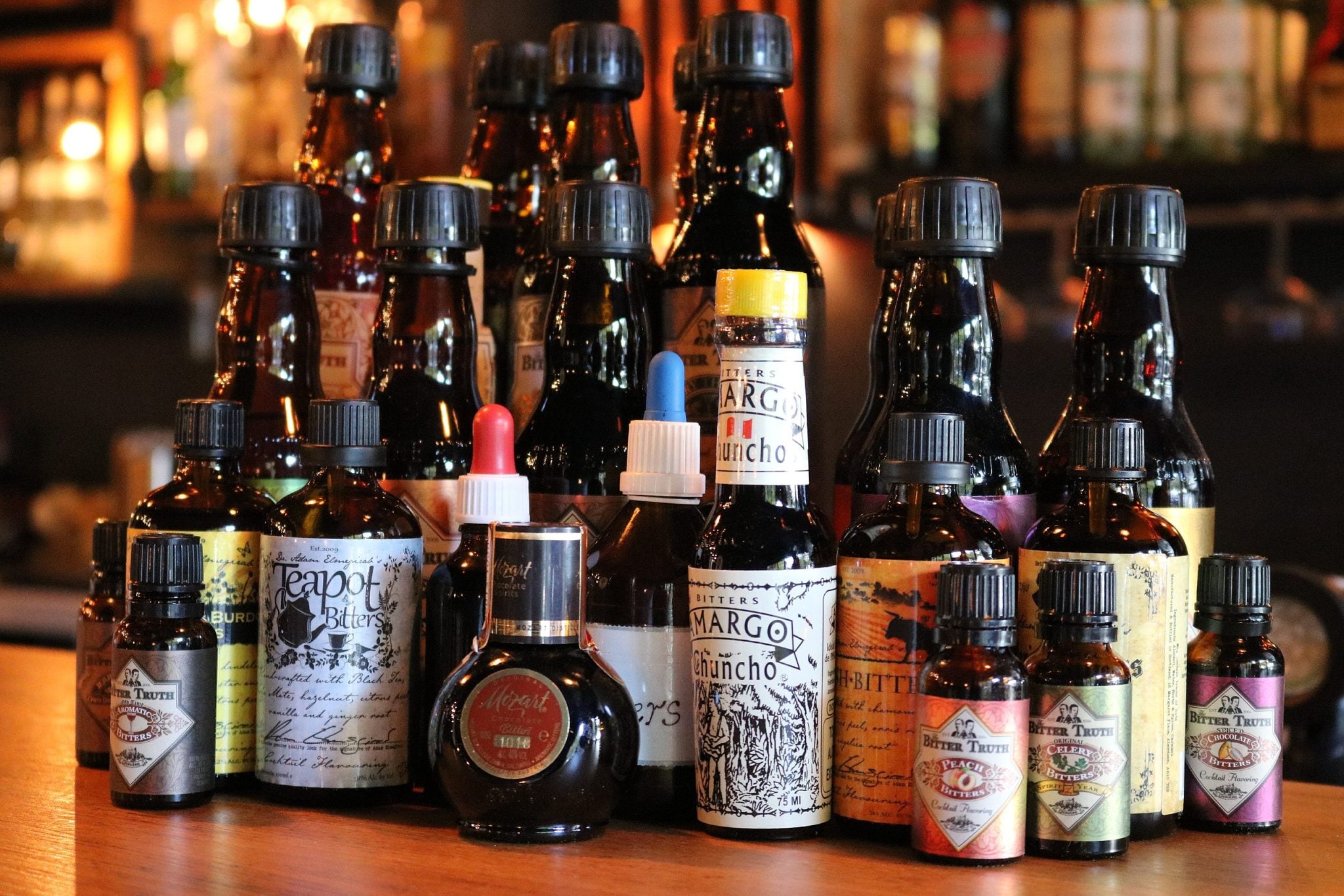
Cocktail bitters are made from a range of botanicals, from roots to herbs to citrus peel, which are macerated in a base spirit similar to vodka.
These bitters differ from aperitivo bitters or amari as they are more like a concentrate that is meant to be used in small quantities to enhance the cocktail. Just a few drops can add balance and complexity to a drink. Think of it like salt in cooking—you only need a little to help to bind together the flavors. Bitters have an ABV of around 35–45%.
The Origin of Bitters
Today, bitters come in an array of flavor profiles. In fact, there is more choice than ever before. Bitters can bring aromatic bitterness or chocolatey notes, coffee, winter spices, florals and more.
Back in the 18th century, there was less choice as bitters were more potent and heavier on the bitter compounds due to their being used for their health benefits rather than general consumption. Some common bittering agents were gentian root, wormwood and angelica root.
Of course, these ingredients may still be used today, but other more palatable botanicals are also added to create a wider range of profiles more suitable for mixing.
Ancient Egyptians, Greeks, Romans and medieval monks all blended botanicals with a wine or spirit base, creating different so-called bitter tonics and concentrated tinctures, mainly for medicinal purposes, such as to alleviate bloating or cramps, to improve digestion, to relieve heartburn, to calm nausea or to stimulate appetite.

We usually avoid overly bitter flavors as our brains interpret bitterness as a possible toxin. The bitter plants trigger the production of saliva and gastric juice, which in turn helps to protect the stomach lining, improves the absorption of important vitamins, kills bacteria and eliminates toxins.
This is also why many digestifs are bitter in flavor. The bitterness of the various botanicals helps to break down food much faster, making you feel better.
Similarly, Dr Johann Siegert, a German army doctor, created Angostura Bitters to help soldiers with their stomach troubles. It was in the early 1800s when Dr Siegert was based in Angostura (later renamed) in Venezuela that he experimented with various recipes before coming up with a blend that worked the way he wanted it to.
Some years later, in 1824 to be precise, he began selling his bitters to a wider market, later starting a proper distillery to meet the increasing demand. Nowadays the production of Angostura Bitters takes place in Trinidad and Tobago.
From there, the use of bitters spread to the U.S., the U.K. and Europe via navy troops. Navy soldiers often mixed the bitters in with gin. Perhaps that is where cocktail making began…
From Medicine to Cocktails
By 1809, you could find cocktail recipes with bitters. The first description of such a cocktail was a blend of spirit, water, sugar and bitters. Fast-forward to the early 1900s and cocktail bitters were the norm in mixology.
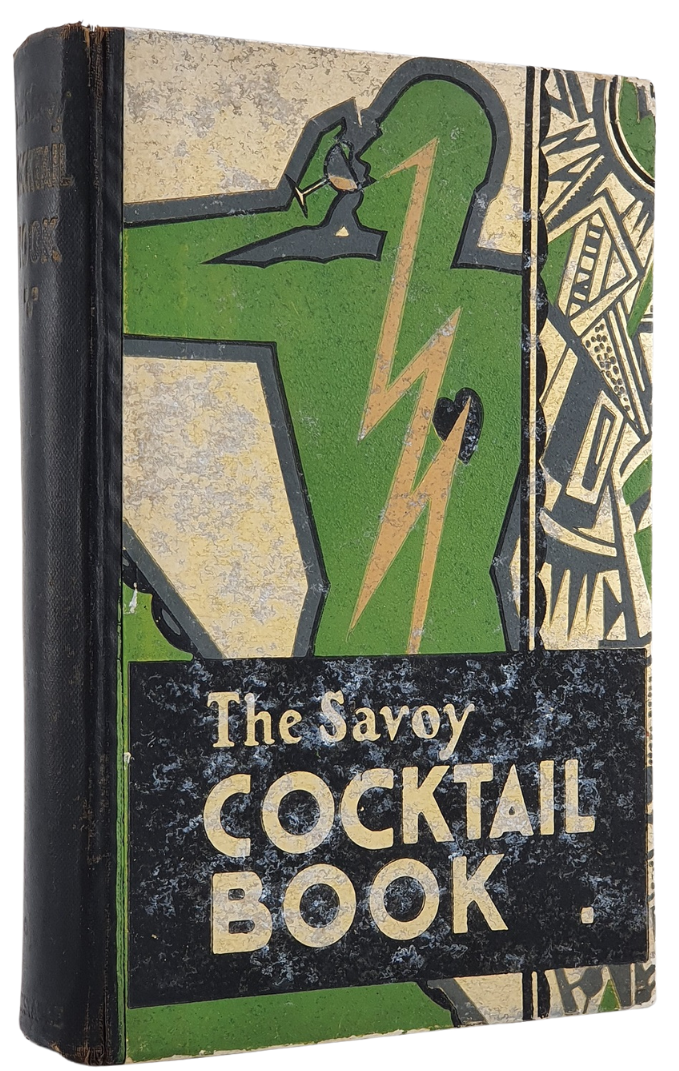
Gents like Jerry Thomas (the author of the first cocktail book) and Harry Craddock (The Savoy Cocktail Book) were stocking dozens of bottles of bitters. Thomas’s Bartenders Guide: How to Mix Drinks (published in 1862) offers a range of original recipes dating back to the early days of mixology, many including bitters.
A recipe for an Old Fashioned Holland Gin Cocktail for example: ‘Crush a small lump of sugar in a whiskey glass containing a little water, add a lump of ice, two dashes of Angostura bitters, a small piece of lemon peel, one jigger Holland gin. Mix with a small bar spoon. Serve.’
The Manhattan is another popular cocktail from the late 19th century. There are many stories about how it came about, but it is believed to have been invented in the 1860s, making it the first ‘modern cocktail’ due to the use of a fortified wine.

Without vermouth it would simply be another old-fashioned whisky cocktail. Today it is made with whisky (usually rye), sweet vermouth and bitters, but several of the older recipes included a few dashes of gum syrup as well.
During Prohibition, bitters were used to improve the taste of low-quality alcohol. Even sober people were using bitters at that time due to their medicinal benefits despite the higher ABV. Bitters were sold in apothecaries, after all.
Unfortunately, like fashion, drinking habits keep changing through the decades. There was a huge decline in the use of cocktail bitters post-Prohibition. Thankfully, bitters have now found their way back to cocktail bars.
There is a great appreciation for classic cocktails, and more and more bartenders are experimenting with flavor profiles and techniques. Bitters are versatile, the ‘spice rack’ of the bar—they can balance sweetness, add complexity and bring depth to a cocktail.
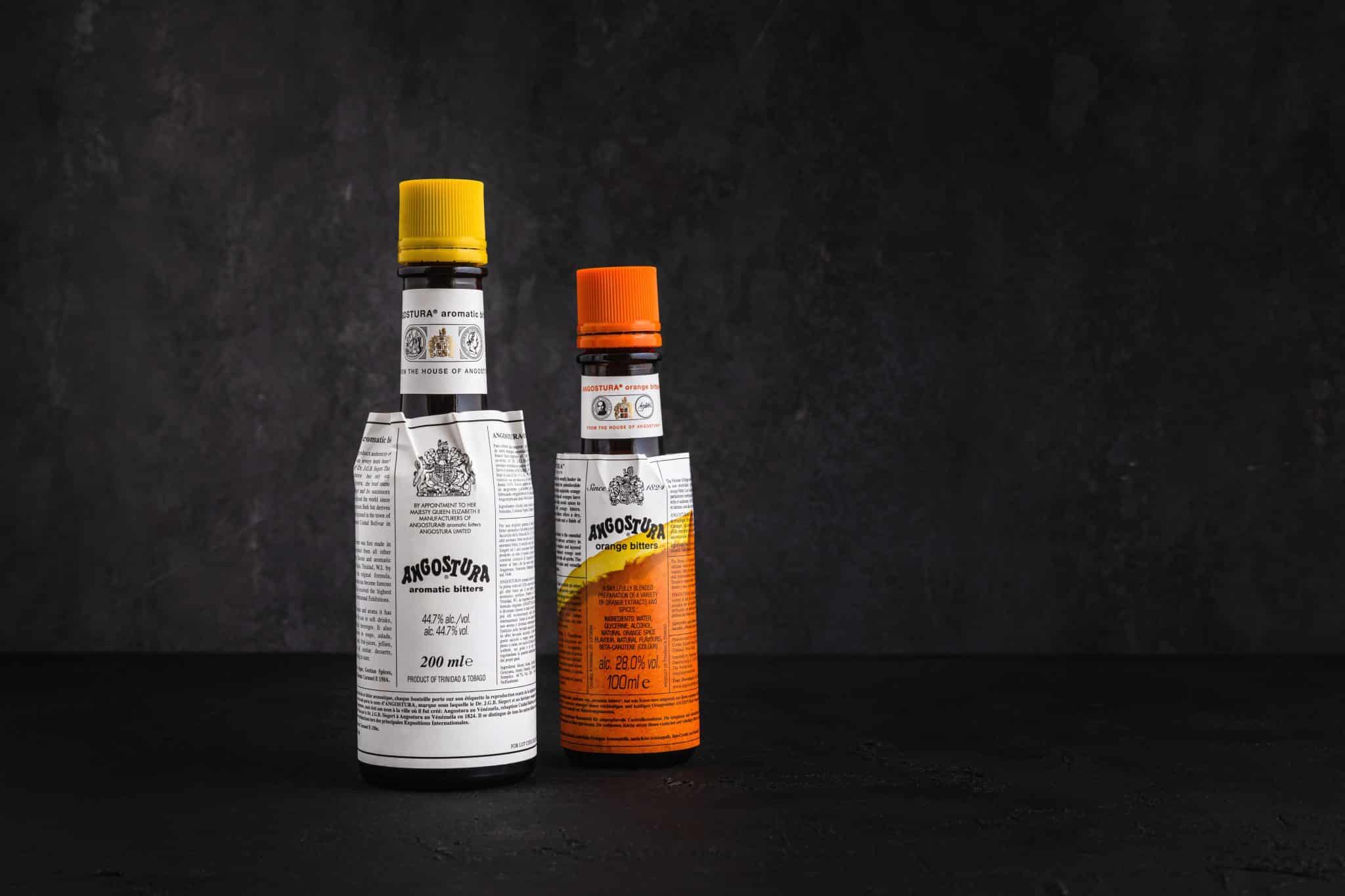
Incredibly, only two brands have survived the ever-changing cocktail culture: Angostura and Peychaud’s are the only two brands that remain from the 1800s.
According to House of Angostura, Angostura Bitters holds an estimated 90% market share in the cocktail bitters category. Their bitters are available in over 170 countries worldwide.