Imagine preparing a cocktail and plucking fresh mint, basil, or rosemary straight from your own herb garden. Muddle, shake, or stir it into your drink, and you’ll instantly transform the flavor with an aromatic burst and fresh finish. That’s the magic of using herbs in cocktails.
We cover this topic in detail in our bartending courses and have decided to dedicate a full article to it as well. Here, we’ll explore why herbs are the ultimate ingredient for mixologists, highlight the most popular herbs to experiment with, and show you how to incorporate them into your drinks easily and effectively.

1. Why Use Herbs in Cocktails?
It’s not just about the pretty garnish—though herbs make your drink more Instagram-worthy! The real magic is in the unique flavors and aromas they bring. Here’s why herbs should be your new favorite cocktail ingredient:
Flavor Complexity
Herbs add depth and a unique twist that other ingredients just can’t match. Mint offers a cooling sweetness, basil adds a peppery kick, and rosemary gives earthy, woodsy notes. A mojito without mint? It just wouldn’t be the same! Herbs balance sweetness, acidity, and alcohol, making every sip more dynamic.
Aromatic Appeal
Ever take a whiff of a cocktail and know it’s going to be good? That’s the herbs talking. Muddled or used as a garnish, herbs release essential oils that make your drink smell as good as it tastes. Thyme, basil, oregano —they take your senses to another level.
Freshness and Seasonality
Herbs make cocktails taste fresh and alive. They add a crispness that bottled mixers can’t replicate. Plus, seasonal herbs—basil in summer, and rosemary in winter—connect your drink to the time of year, giving it a “right here, right now” feel.
Health Benefits
No, cocktails aren’t health drinks, but herbs have some nice perks. Mint aids digestion, basil is anti-inflammatory, and lavender helps you relax. Adding herbs to your cocktails means you’re getting a bonus boost of nature’s goodness.
Versatility in Pairing
Herbs work with almost any spirit—vodka, gin, rum, whiskey—you name it. They shine in sweet, savory, or even spicy cocktails, making them an incredible ally when creating you very own cocktails.
2. Popular Herbs Used in Cocktails
Here are the most popular and versatile herbs that we as mixologists love to use. These are your go-to, can’t-fail herbs that will instantly elevate your drinks:
Mint
This is the king of cocktail herbs. Mint brings a refreshing, cooling effect that’s perfect for summer drinks and tropical vibes. It’s no wonder it’s the star in classics like the Mojito and Mint Julep. Muddle it gently to release the oils, but don’t overdo it—bruising mint can make it bitter. It pairs well with rum, bourbon, and even gin, making it a versatile choice for any cocktail lover.

Basil
Basil has a sweet, peppery flavor that’s perfect for cocktails that need a little herbal bite. It shines in gin-based drinks like the Basil Smash, but don’t be afraid to try it with vodka (try adding some fresh basil leaves to your next Bloody Mary), rum, or even tequila. The bright, fresh notes of basil complement citrus well, making it a great choice for summer cocktails.

Rosemary
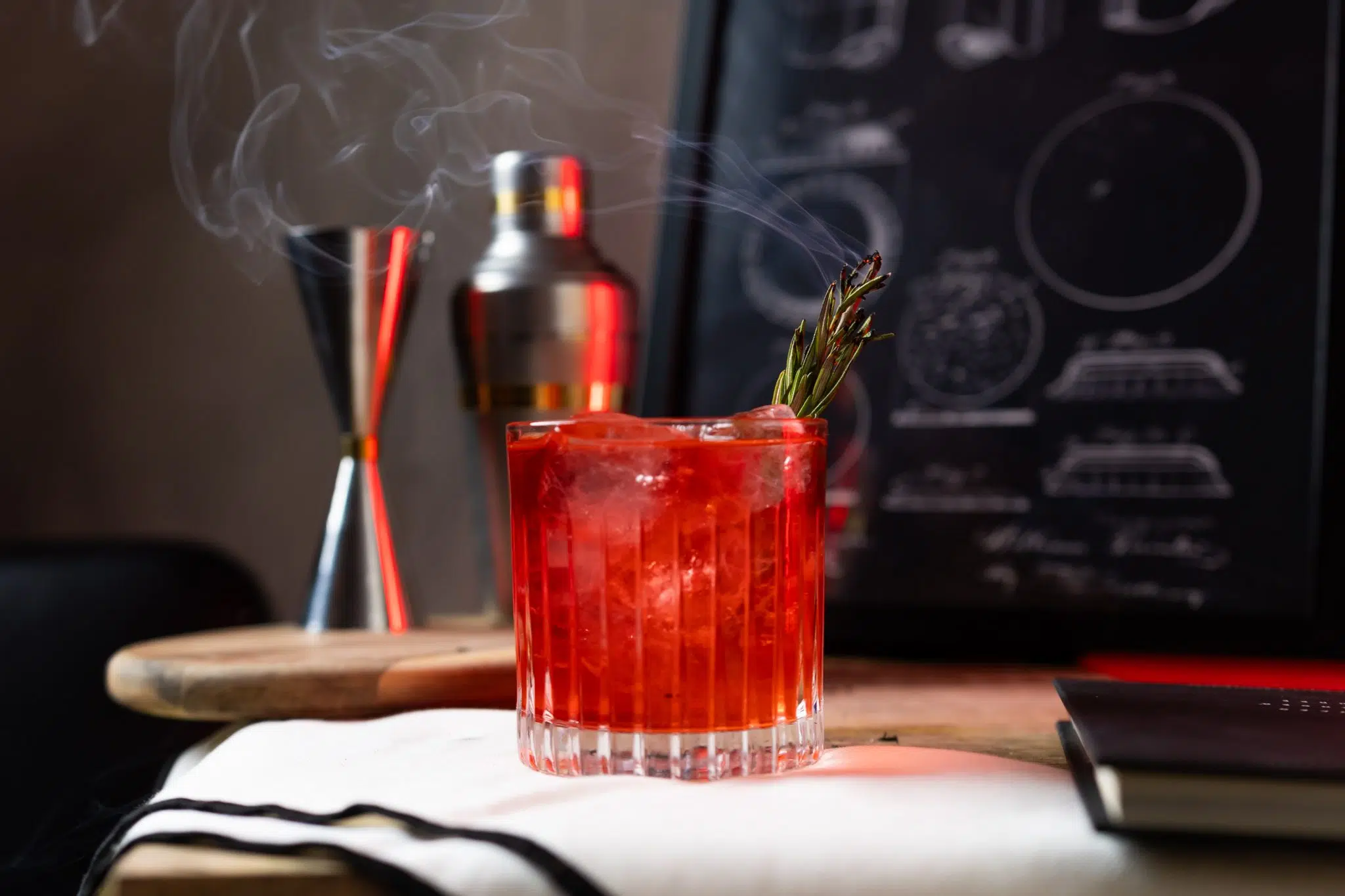
If you’re a gin lover, rosemary is about to become your best friend. Its earthy, piney notes play beautifully with gin’s botanical flavors, and it can add an unexpected twist to whiskey and rum drinks too. Rosemary is often used as a garnish or infused into syrups and spirits, and it’s perfect for warming, winter cocktails like a Rosemary Gin Fizz. You may also have seen it used burned as a garnish, like in a Smoke on the Water cocktail.
Thyme
Thyme is one of those herbs that can really surprise you in a cocktail. Its savory, slightly floral flavor pairs well with citrus-based drinks, and it’s a natural match for gin, tequila, and even vodka. Use it in cocktails like a Thyme Margarita or a Thyme Gin & Tonic to add a subtle, fragrant twist.

Lavender
This delicate, floral herb adds a beautiful aroma and a touch of sophistication to cocktails. Lavender is perfect for light, refreshing drinks, and it pairs especially well with gin, vodka, and champagne, although it can go very well with some whiskeys too. Add it to a Lavender Collins or use it to infuse syrups for a hint of floral flavor in a Flower Power Sour or in any cocktail of your liking. Just remember, a little goes a long way—too much lavender can quickly overpower your drink.
Cilantro & Coriander
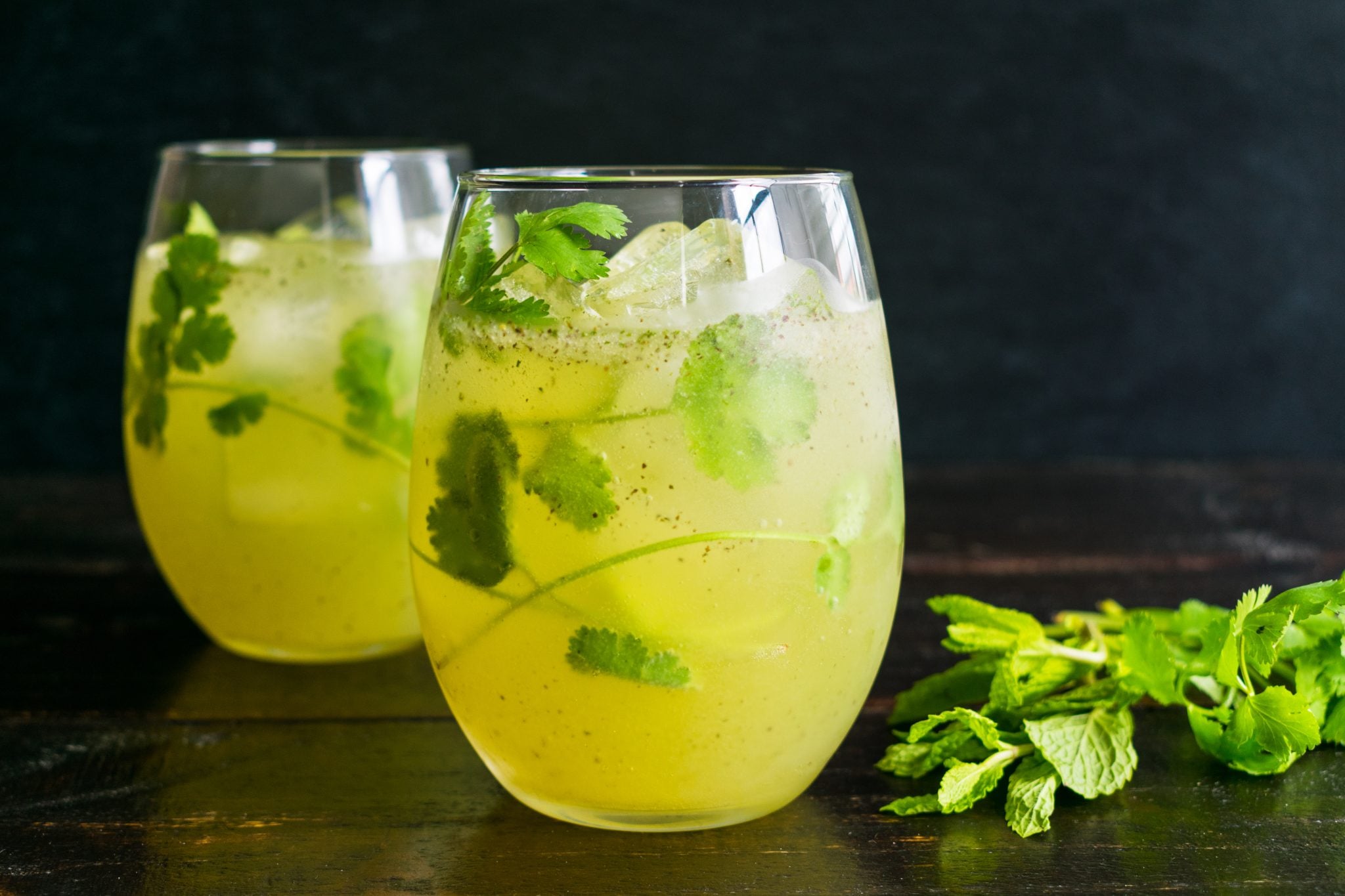
Love it or hate it, cilantro brings a bright, citrusy burst of flavor that works wonders in tropical and tequila-based cocktails. It’s bold and can take over a drink if not used carefully, but in the right amounts, cilantro can be a game-changer in drinks like a Cilantro Margarita or a tropical rum punch.
Sage
Sage is an earthy, savory herb that pairs perfectly with darker spirits like bourbon and whiskey. It’s often used in fall and winter cocktails, adding a warm, comforting note. Try it in a Sage Whiskey Sour or infuse it into a simple syrup to sweeten up your drinks.

Lemongrass
Technically a herb, lemongrass adds a zesty, citrusy flavor to cocktails. It’s often used in tropical drinks, especially with gin, rum, or tequila. Lemongrass is great for infusing spirits or muddling into syrups for a refreshing, exotic twist.

Chamomile
Chamomile brings a soft, floral note to cocktails and works well with gin and vodka. It’s calming, delicate, and perfect for lighter cocktails that need a gentle floral touch. Chamomile is often infused into syrups or spirits.

3. How to Incorporate Herbs into Cocktails
So now you know which herbs to use, but how do you actually incorporate them into your drinks? Here are some tried-and-true methods we use:
Muddling Herbs
Muddling is the most straightforward way to use herbs in your cocktails. When you muddle herbs, you’re releasing their essential oils, which add flavor and aroma to your drink. But be gentle—muddling too hard can bruise the herbs and make them bitter. For delicate herbs like mint and basil, use a light touch. It is important not to shred the leaves as they may develop unwanted bitterness when bruised. In most cases, you can simply smack the leaves between your hands a couple of times before dropping them into the shaker or (stirring) glass as it should be enough to release their aroma. For heartier herbs like rosemary and thyme, you can be a bit more assertive.
Herb-Infused Syrups
Making herb-infused syrups is a great way to add concentrated herbal flavor to your cocktails without needing fresh herbs in every drink. To make a simple syrup, just dissolve sugar in water, take it out of the heat, and add your herbs. Let it cool down and infuse at room temperature, tasting regularly to check on the flavor. Some syrups, especially the ones made from fresh herbs, are better after infusing for several hours and even overnight (in that case, store in the fridge once the mixture has cooled down). Then, strain out the herbs, and you’re left with a flavorful syrup that can be stored in the fridge and used in multiple drinks. Think mint syrup for mojitos, rosemary syrup for whiskey sours, or basil syrup for vodka lemonades.
Herb-Infused Spirits
Want to take it up a notch? Try infusing your favorite spirit with herbs. This method works well for more robust herbs like rosemary, thyme, or cilantro. Simply add a handful of fresh herbs to a bottle of vodka, gin, or rum, let it sit for a day or two (taste it periodically), and strain out the herbs when the flavor is where you want it. Now you have a custom-flavored spirit that’s perfect for unique, herb-forward cocktails. This technique is very versatile as it works both for fresh and dried herbs; just keep in mind that different herbs have different infusing times, so it may be better to infuse them one after another rather than all at the same time.
4. Pairing Herbs with Spirits
Now that we’ve got a handle on the herbs, let’s talk about the spirits. Not every herb plays well with every type of liquor, but when you find the right combination, the flavors sing. The key to great herbal cocktails is matching the herb’s characteristics with the natural flavor profile of the spirit. Here’s a breakdown of which herbs pair best with which spirits:
Herbs with Gin
Gin and herbs are a natural fit—after all, gin is already infused with botanical elements like juniper, coriander, and citrus. Adding fresh herbs only enhances its already complex flavor profile. Some of our favorite pairings include:
- Basil: The slightly peppery and sweet notes of basil complement gin’s botanical richness. Try it in a Basil Gin Smash for a fresh, summer drink.
- Rosemary: This earthy herb brings out gin’s piney undertones and adds an aromatic kick. Rosemary Gin Fizz, anyone?
- Mint: Looking for a bit of fresh, slightly tropical for a warm spring night? Look no further than a Southside, which combines gin, lime and fresh mint to perfection.
- Thyme: Its subtle, savory flavor enhances gin’s herbal notes without overpowering it. Use thyme in a Gin and Tonic for an elevated version of the classic.

Herbs with Vodka
Vodka’s neutrality makes it the perfect blank canvas for herbs, allowing the flavors to shine without competing. It’s also a very great base when you want to infuse your herbs and plants into alcohol as it has a strong, neutral base that’s perfect for extracting flavor. Whether you want to go bold or keep it subtle, herbs can transform vodka-based cocktails:
- Mint: Refreshing and cool, mint adds a crispness to vodka drinks. The Westside is a perfect example of this pairing in action.
- Cilantro: Love it or hate it, cilantro’s bold, citrusy flavor pairs well with vodka’s clean profile. It’s an unexpected twist in a Cilantro Mule.
- Lavender: Delicate lavender brings a floral note that pairs beautifully with vodka in cocktails like the Lavender Vodka Martini.

Herbs with Whiskey
Whiskey’s rich, smoky, and often sweet flavors pair best with herbs that can stand up to its intensity. Think heartier, more savory herbs that balance whiskey’s depth:
- Sage: Earthy and slightly peppery, sage adds warmth and complexity to whiskey cocktails. It’s a perfect addition to a Whiskey Sour, for example, and it is also a great dry herb to use to prepare a smoked Old Fashioned.
- Rosemary: Just like with gin, rosemary’s earthy notes complement whiskey’s woodsy undertones, making it great in a Honey Badger Cocktail.
- Thyme: Thyme’s savory, slightly lemony flavor works well with bourbon or rye, especially in cocktails with citrus or honey, like a Lemon Thyme Bourbon Smash.
Herbs with Rum
Rum, especially dark or spiced rum, loves herbs that bring out its sweetness and tropical flair. Lighter herbs work best with white rum, while deeper flavors complement dark rum well:
- Mint: A classic combination, mint brings freshness to rum-based cocktails like the iconic Mojito.
- Basil: Although it seems more of a surprising association, this slightly sweet, peppery herb balances the richness of rum and pairs beautifully in drinks like the Curtain Call or the Mariposa cocktail.
- Lemongrass: Light, citrusy, and a bit exotic, lemongrass brings a bright note to rum cocktails like a Lemongrass Daiquiri (you can muddle some lemongrass in your shaker before adding the other ingredients, for example).

Herbs with Tequila
Tequila has a bold, earthy flavor that pairs well with herbs that can stand up to its agave backbone. Citrus-heavy and bold herbs work wonders here:
- Cilantro: Cilantro’s bright, citrusy notes play perfectly with tequila’s earthy flavor in drinks like a Cilantro Margarita or Cilantro Mexican Mule.
- Lemon Thyme & Thyme: The savory, slightly lemony flavor of thyme pairs well with the peppery undertones of tequila, making a Thyme Paloma a must-try (use a thyme syrup to prepare it and/or rim the glass with a blend of salt & dried thyme).
- Shiso Leaf: Shiso leaf brings a unique mix of herbal, citrus, and slightly minty notes that elevate tequila’s earthy, vegetal qualities. Its bright, aromatic flavor adds a fresh twist to cocktails like a Shiso Margarita (you can use the shiso to infuse the tequila, for example), creating a refreshing and unexpected pairing that enhances tequila’s natural complexity.
5. Best Herbs for Seasonal Cocktails
Herbs, much like cocktails, have their seasons. Certain herbs work better during specific times of the year, not just because they’re fresher but because they align with the flavors we naturally crave. Here’s a guide to using herbs seasonally in your cocktails:
Spring Herbs
Spring is a time for renewal, and nothing says fresh quite like mint, basil, and lemon thyme. These herbs bring light, bright flavors that pair well with gin, vodka, and citrus. For the most adventurous out there, parsley and tarragon are also a great seasonal option!
Summer Herbs
Summer is all about refreshing, cooling drinks. Herbs like cilantro, lemongrass, and lavender are perfect for this time of year, adding a bright, zesty punch to cocktails. Basil is also a great herb for summer drinks as well as oregano, either dried or fresh.
Fall Herbs
As the weather cools, our cocktails need a little more warmth and earthiness. Enter herbs like sage, thyme, and rosemary: you can either use these herbs directly into your cocktail, use them as a garnish or, for an even cozier option, use them to smoke your drink.
Winter Herbs
Winter is the season for hearty, comforting cocktails. Herbs like rosemary, sage, and even chamomile bring warmth to drinks during the colder months.
6. Growing Your Own Cocktail Herbs
There’s something incredibly satisfying about snipping fresh herbs from your own garden or windowsill and using them in your cocktails. Not only do they add unbeatable freshness, but growing your own herbs also means you always have a fresh supply on hand. Here’s how you can grow your own cocktail herbs, whether you have a sprawling garden or just a sunny windowsill.
Indoor vs. Outdoor Herb Gardens
You don’t need a huge backyard to grow herbs for cocktails. In fact, many herbs grow just as well indoors as they do outdoors:
- Indoor Herb Gardens: Great for small spaces, you can grow herbs on a windowsill or in small pots. Look for bright, indirect light, and rotate the pots occasionally to ensure even growth. Herbs like mint, basil, thyme, and parsley do particularly well indoors.
- Outdoor Herb Gardens: If you have the space, growing herbs outside is a great option. Herbs thrive in direct sunlight, so choose a spot that gets plenty of sun. Rosemary, sage, and lavender are ideal for outdoor gardens, as they can handle more extreme temperatures and direct sunlight.
7. Herbal Cocktail Recipes for Every Occasion
Alright, now we’re getting to the fun part—turning all those freshly grown or store-bought herbs into amazing cocktails. Whether you’re hosting a summer party, cozying up by the fire in winter, or just making a midweek drink for yourself, we’ve got a herbal cocktail recipe for every mood and season.
Classic Herbal Cocktails
These are the tried-and-true classics that you can’t go wrong with. Herbs have been a part of these recipes for ages, and for good reason—they simply work.
- Mojito (Mint)
Refreshing and light, the Mojito is perfect for summer days or whenever you need a bright, cooling cocktail. Muddle fresh mint with lime and sugar, add rum and club soda, and you’ve got yourself a classic. The mint brings everything together with a cool, refreshing bite. - Mint Julep (Mint)
A southern classic, this bourbon-based cocktail is packed with minty goodness. It’s simple, made with bourbon, sugar, and fresh mint, but when the flavors come together, it’s the ultimate porch-sipper. - Basil Smash (Basil)
A newer addition to the cocktail world but already a favorite, the Basil Smash is a great way to showcase gin and fresh basil. Muddle basil leaves with lemon juice and simple syrup, then add gin and shake it up. Strain it into a glass, and you have a bright, fragrant drink that’s hard to resist.

Modern Herbal Creations
Now, let’s get creative. These modern takes on herbal cocktails show just how versatile herbs can be.
- Lavender Collins (Lavender)
A floral twist on the classic Tom Collins, this drink uses lavender syrup to elevate the gin and lemon base into something more elegant. Lavender adds a soothing, aromatic note that plays beautifully with gin’s botanicals. - Cilantro Margarita (Cilantro)
If you’re a cilantro lover, this one’s for you. The cilantro brings a fresh, citrusy brightness that balances out the tequila and lime, adding a whole new layer to the classic margarita. - Honey Badger (Rosemary)
This twist on the Penicillin Cocktail blends Bourbon with ginger, honey, yellow Chartreuse, and rosemary for a sophisticated, heart-warming fall and winter cocktail.
Herbal Mocktails
Herbs aren’t just for cocktails—they can work wonders in non-alcoholic drinks, too. Some examples we love to craft:
- Mint & Lime Spritzer (Mint)
This is a super simple mocktail that packs a lot of flavor. Muddle fresh mint with lime juice, add a little sugar, and top with sparkling water. It’s the perfect refreshing drink for a hot day or when you just want something light and bubbly. - Basil Cucumber Cooler (Basil)
Basil and cucumber are a match made in heaven. Muddle basil and cucumber together, add lemon juice and a touch of honey syrup, then top with soda water for a refreshing, cooling drink that’s just as satisfying as any cocktail. - Chamomile Honey Lemonade (Chamomile)
Soothing chamomile tea meets zesty lemonade in this mellow, calming drink. Brew chamomile tea, mix it with fresh lemon juice and honey syrup, and serve it over ice for a peaceful, refreshing mocktail.
8. Frequently Asked Questions (FAQs) About Herbs in Cocktails
Can I use dried herbs in cocktails?
Yes, you can! But, here’s the catch: fresh herbs are almost always better for cocktails because they bring those bright, aromatic oils that really pop in a drink. Dried herbs tend to lose a lot of their flavor and can taste flat. That said, if you don’t have fresh herbs on hand, you can use dried herbs in infusions (like syrups or spirits), but use them sparingly because their flavors are more concentrated. Of course, you can also use dried herbs to smoke your cocktails and bring in their flavor in a different way!
What’s the best way to store fresh herbs for drinks?
Fresh herbs are delicate, so proper storage is key to keeping them vibrant. For short-term storage, treat them like flowers—snip the ends and place the stems in a glass of water in the fridge. Cover the tops loosely with a plastic bag, and they should last several days. Alternatively, you can wrap them in a damp paper towel and store them in a resealable plastic bag in the fridge. This method works great with mint, basil, and cilantro.
How do I keep herbs fresh longer after harvesting?
If you’re growing your own herbs and harvesting them for cocktails, the best option is obviously to harvest just the right quantity before preparing your cocktail, so they remain as fresh as fresh can be. If you have harvested a little too much, you’ll want to store them as soon as possible to maintain their freshness. After harvesting, rinse the herbs gently and pat them dry with a paper towel. Use the methods above for storing them in the fridge or freeze them in ice cubes with water for long-term use. Freezing herbs like mint or rosemary this way preserves their flavor for months!
Can herbs be used in both hot and cold cocktails?
Absolutely! Herbs are versatile enough to be used in both hot drinks, like a hot toddy or mulled cider, and cold cocktails. In hot drinks, herbs like rosemary, thyme, or sage add warmth and depth, while in cold cocktails, herbs like mint, basil, and cilantro bring refreshing, bright flavors.
What’s the best way to balance strong herbs in cocktails?
Strong herbs like rosemary, sage, or cilantro can easily overpower a drink if you’re not careful. The trick is to start with less than you think you need, especially when muddling or infusing. You can always add more, but it’s hard to tone down once the flavor is too strong. Muddling herbs gently, using them as garnishes, or creating herb-infused syrups are all great ways to control their intensity. Balancing strong herbs with citrus, sweetness (like honey or syrup), or even a bit of salt can also help bring harmony to the drink.