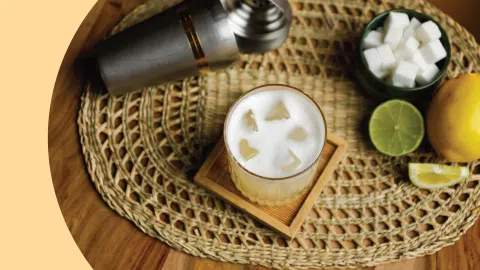
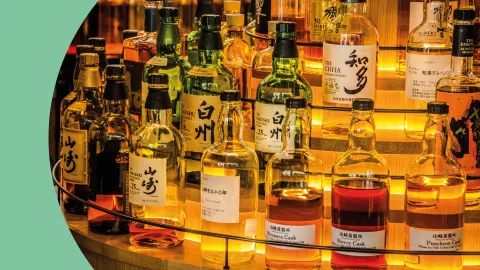
Oktoberfest might be all about beer for some, but we know that not everyone’s raising a stein to that. Here at Drinksworld.com, we’re all about mixing things up—literally! So, this year, why not ditch the beer and dive into something with a bit more flair? We’ve crafted a lineup of German-inspired cocktails & drinks that’ll have you saying “Prost!” with a twist. Whether it’s the zing of apple schnapps, the richness of cherry liqueur, or a touch of herbal magic, these drinks bring flavor and fun. Sip your way through Oktoberfest, the Drinksworld way—cheers to more schwing and less hops!
Best German Cocktails and Recipes
Here’s a list of 14 well-known, classic cocktails and drinks you’d commonly find across Germany, especially at traditional gatherings, festivals, and bars.
- Apfelwein
- Hugo
- Kräuterlikör Shot (e.g., Jägermeister or Underberg)
- Radler
- Berliner Weiße mit Schuss (Berliner Weiße with syrup)
- Feuerzangenbowle
- Glühwein
- Weinschorle
- Eierlikör
- Bärenfang (Honey liqueur, often served chilled)
- Obstler (Fruit brandy)
- Kirschwasser
- Korn Schnapps
- Grog (Rum-based hot drink)
Apfelwein
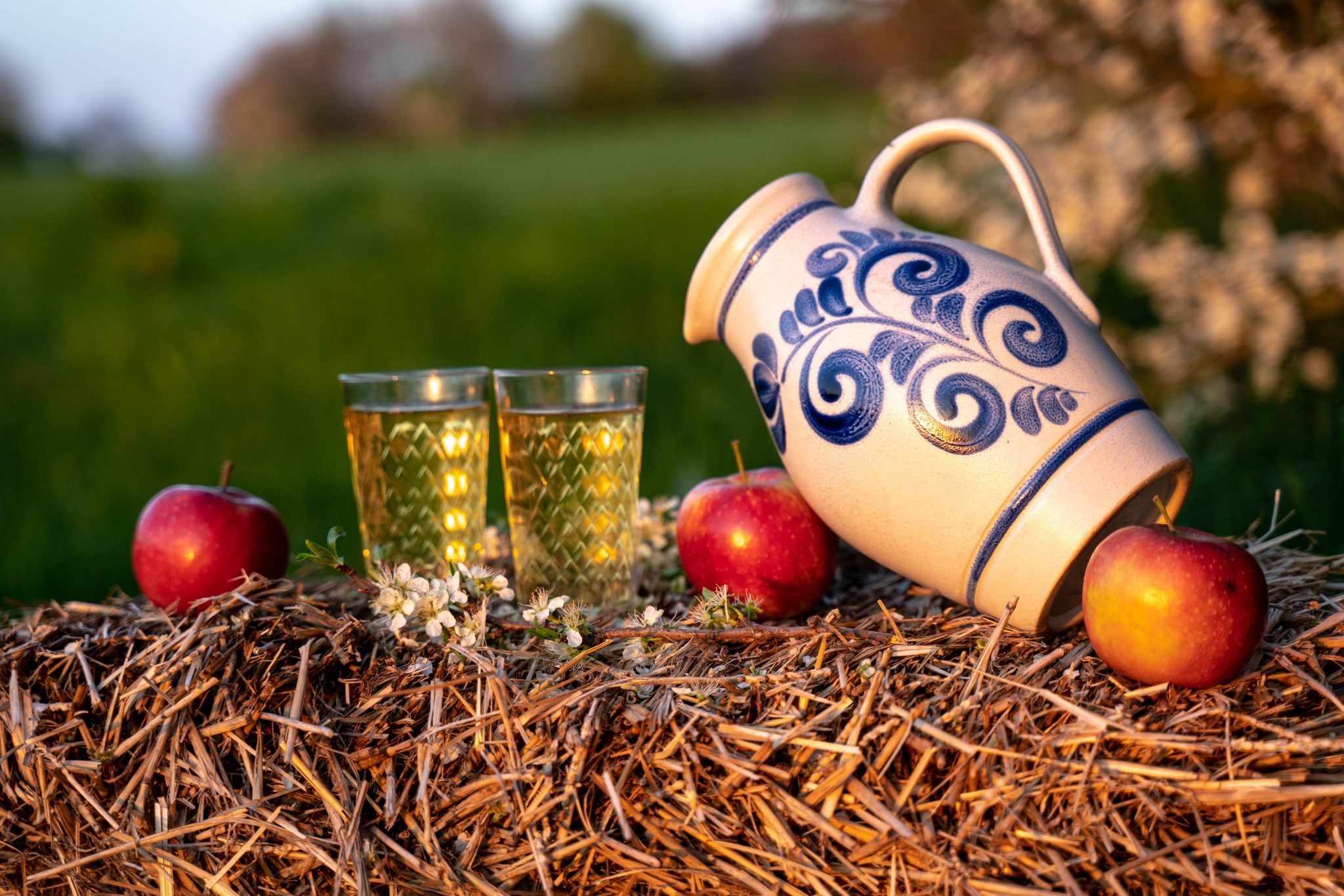
A traditional German apple wine, particularly popular in the Hesse region, especially around Frankfurt. It has a tart, dry taste and is often compared to cider, but it’s less sweet and can be enjoyed chilled or mixed with sparkling water for a lighter drink.
Hugo
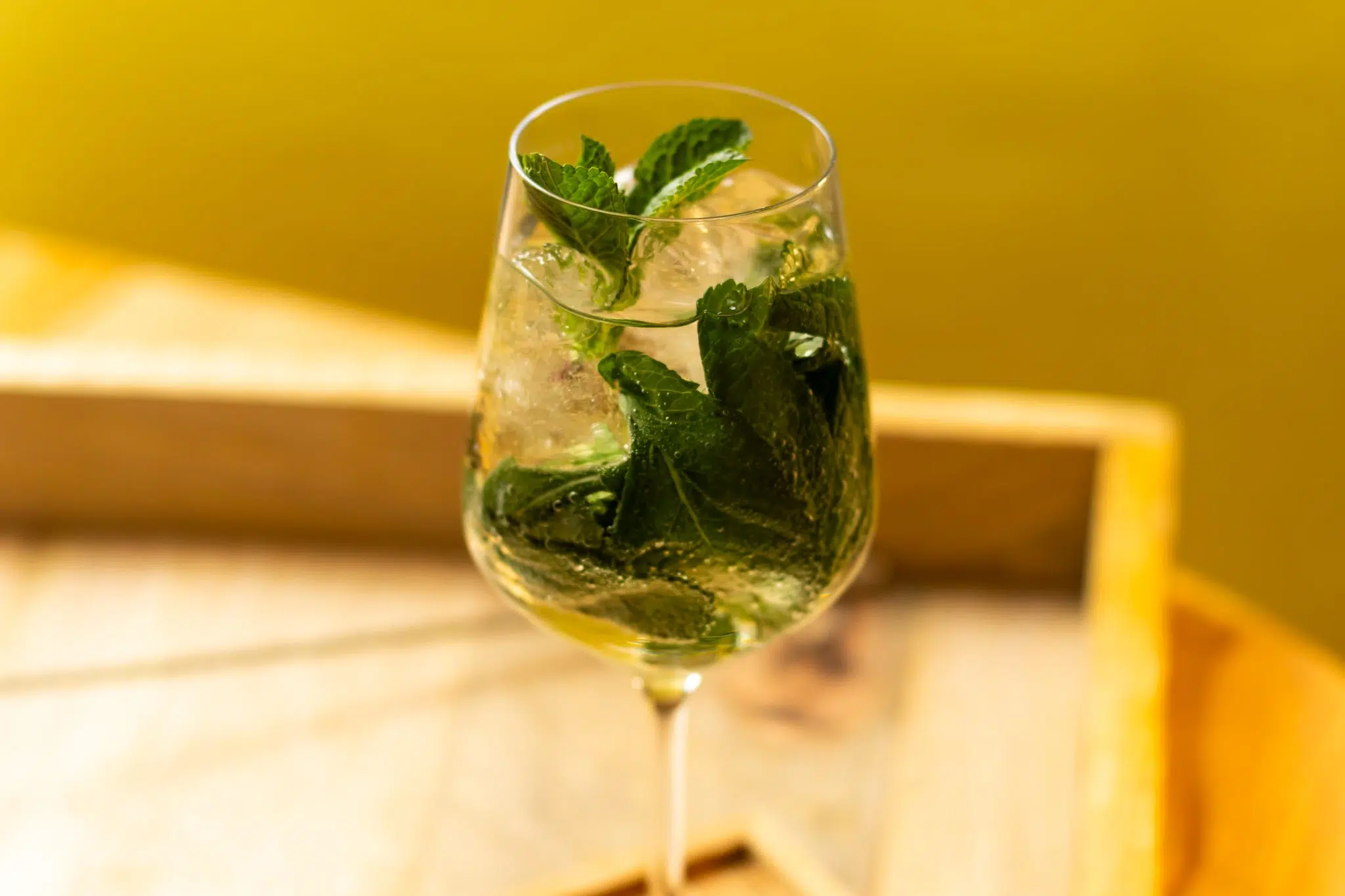
A refreshing, modern cocktail that originated in South Tyrol in 2005 and quickly gained popularity in Germany and Austria. It’s typically made with Prosecco or sparkling wine, mixed with elderflower liqueur, mint, and a splash of soda water. Light, fragrant, and perfect for warm weather, it’s become a popular summer drink across Europe.
Jägermeister & Kräuterlikör Shot
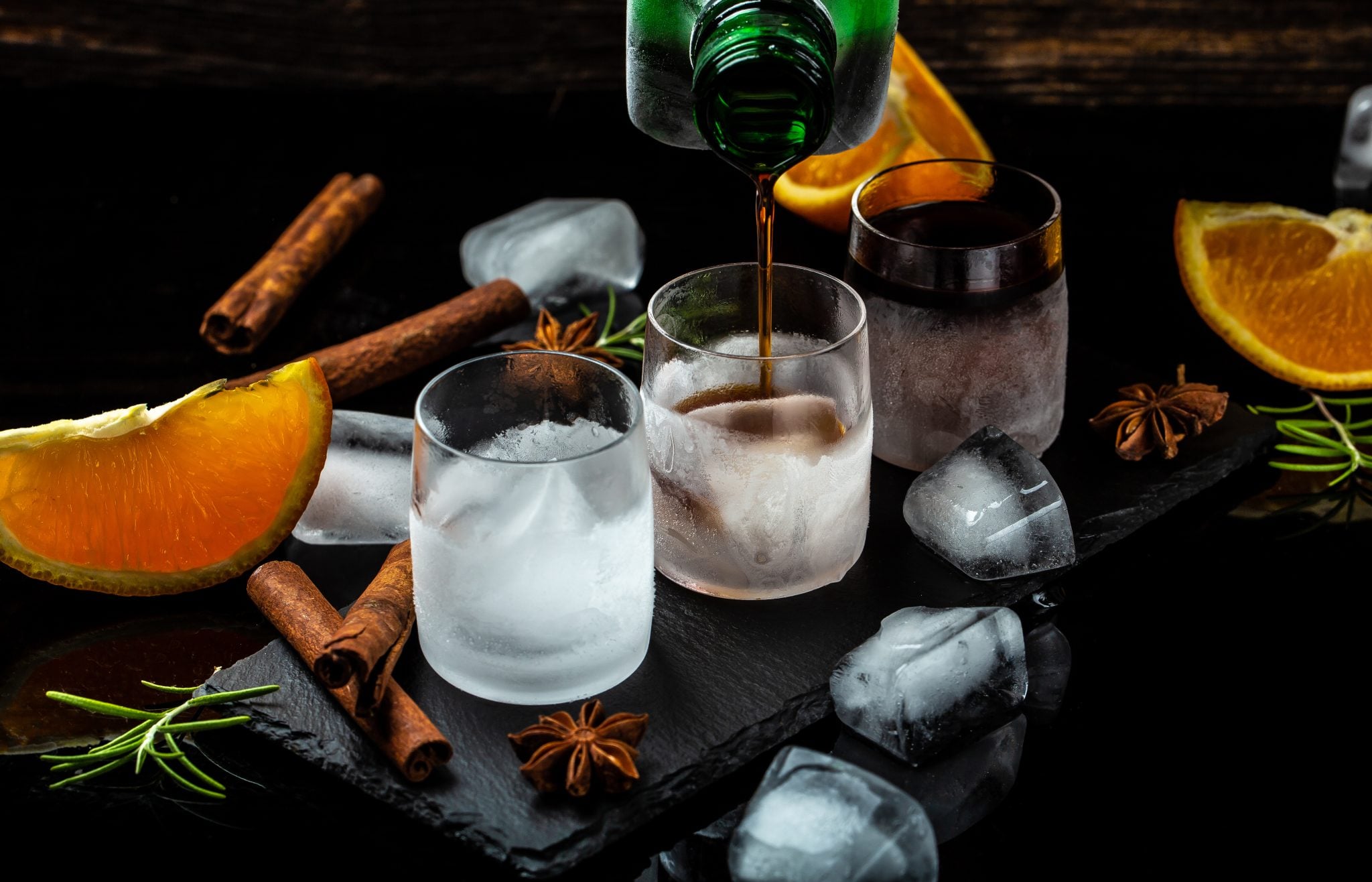
Kräuterlikör is the German word for “herb liqueur”. Although there are many brands of Kräuterlikör all around Germany, the most popular abroad are undoubtedly Underberg and Jägermeister.
Jägermeister is made from 56 different herbs, fruits, roots, and spices. Known for its bold, slightly bitter taste, it’s often enjoyed as a chilled shot, popular in bars and clubs worldwide. It’s also sometimes used as a base in cocktails. Generally speaking, Kräuterlikör is enjoyed as a shot or digestif, especially after a heavy meal to aid digestion.
Radler

Radler is a refreshing mix of beer, lemonade, or lemon soda, perfect for those who enjoy a lighter, less alcoholic drink. It’s especially popular during summer months and at outdoor events. The name “Radler” means “cyclist,” as it was originally created as a thirst-quencher for bikers.
Berliner Weiße mit Schuss
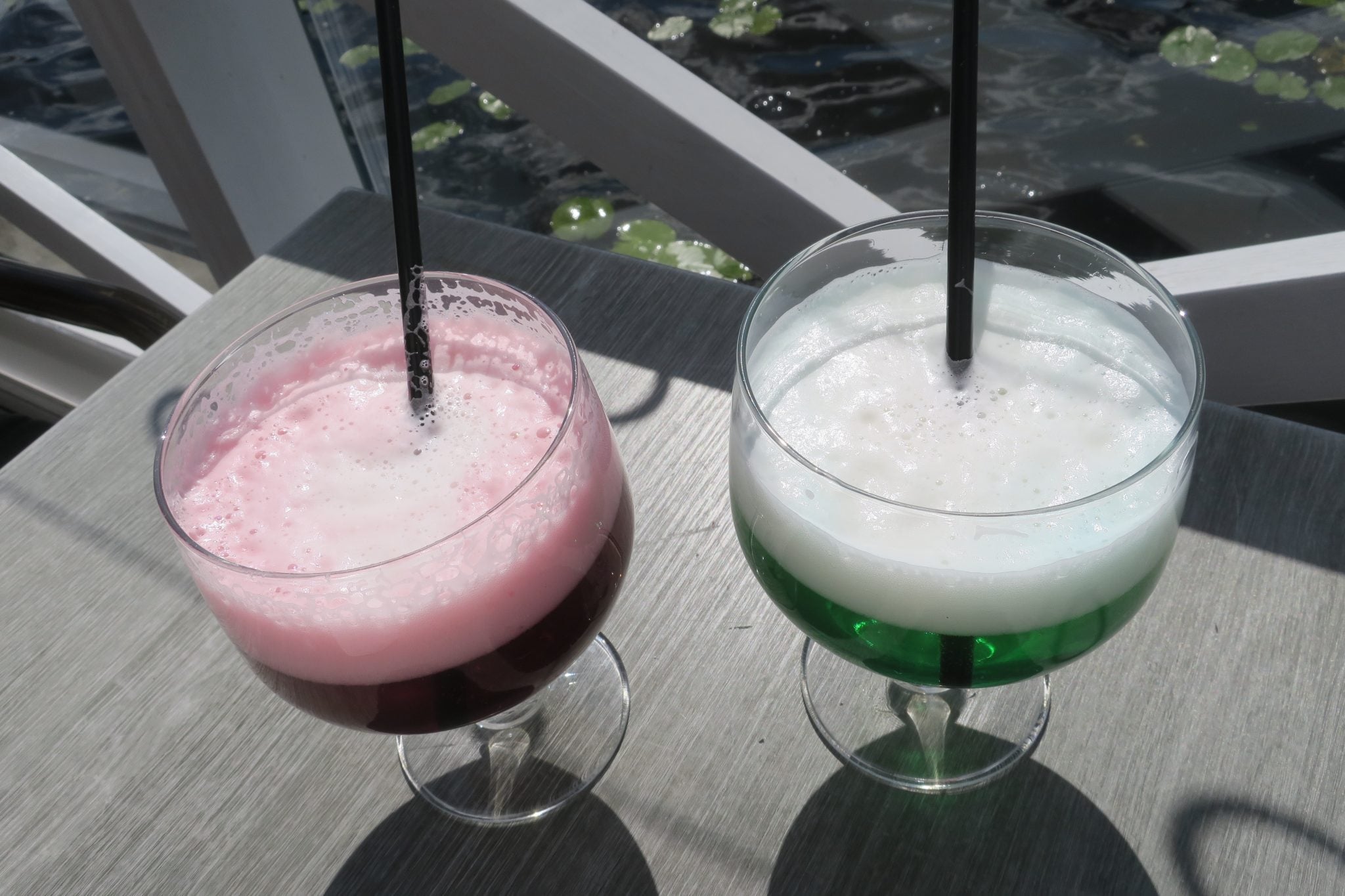
This is a traditional, slightly sour wheat beer from Berlin, typically served with a shot of flavored syrup (often raspberry or woodruff) to balance the tartness. It’s a colorful and lightly fizzy drink, especially during the warmer months.
Feuerzangenbowle
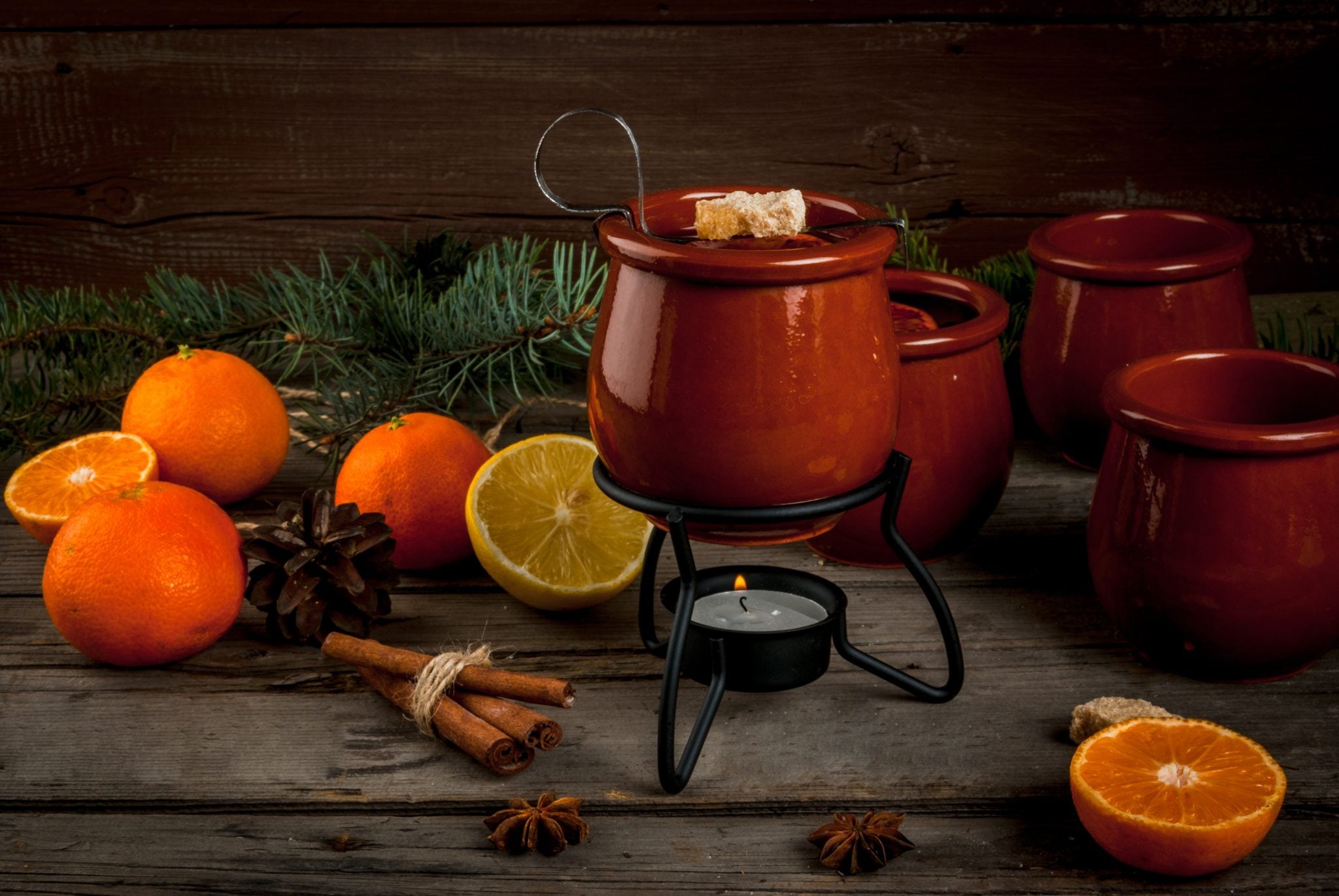
A festive German punch often enjoyed during the holiday season, Feuerzangenbowle is made with mulled wine (Glühwein) and spiced with citrus and cloves. Its signature feature is a sugarloaf soaked in rum that’s set on fire and drips into the punch. It’s a warming drink that’s as much about the spectacle as the flavor.
Glühwein
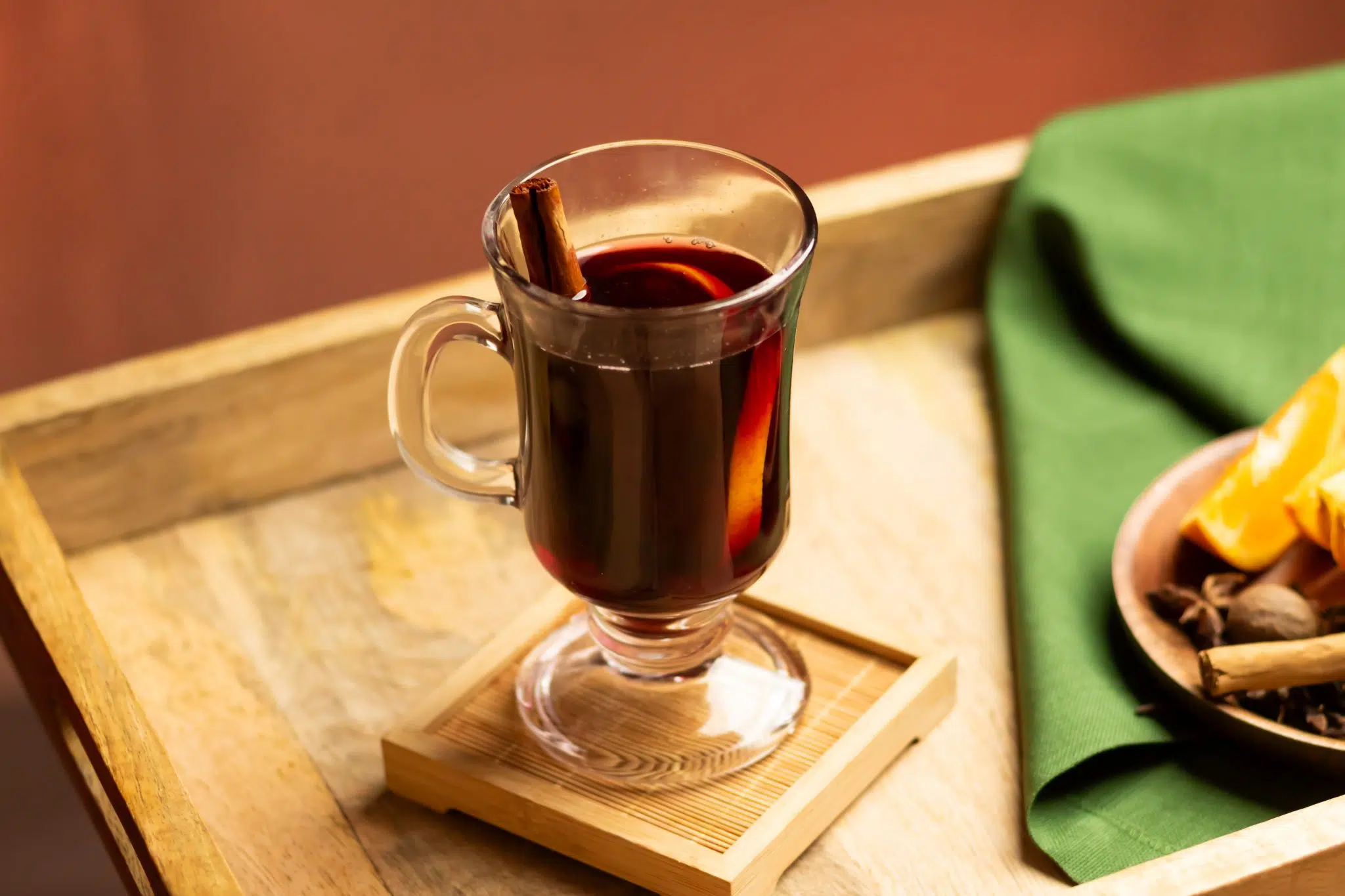
A staple of German Christmas markets, Glühwein is a spiced mulled wine served hot. It’s made with red wine, cinnamon, cloves, citrus, and sugar, offering a comforting, aromatic experience perfect for cold winter nights.
Weinschorle

A simple and refreshing drink made by mixing white wine with sparkling water. Light and bubbly, it’s popular at outdoor events and gatherings, especially in the summer, providing a crisp, thirst-quenching alternative to heavier alcoholic beverages.
Eierlikör

This creamy German egg liqueur delivers a rich, sweet flavor with a velvety texture. Made from egg yolks, sugar, and spirits like rum or brandy, it is often enjoyed during the holidays or as a dessert drink, sometimes topped with whipped cream for extra indulgence.
Bärenfang

Bärenfang (which literally means “bear trap”) is a smooth, sweet honey liqueur from East Prussia that shines when served chilled or at room temperature. It can be sipped on its own or mixed into warm cocktails, making it perfect for cold-weather gatherings.
Obstler
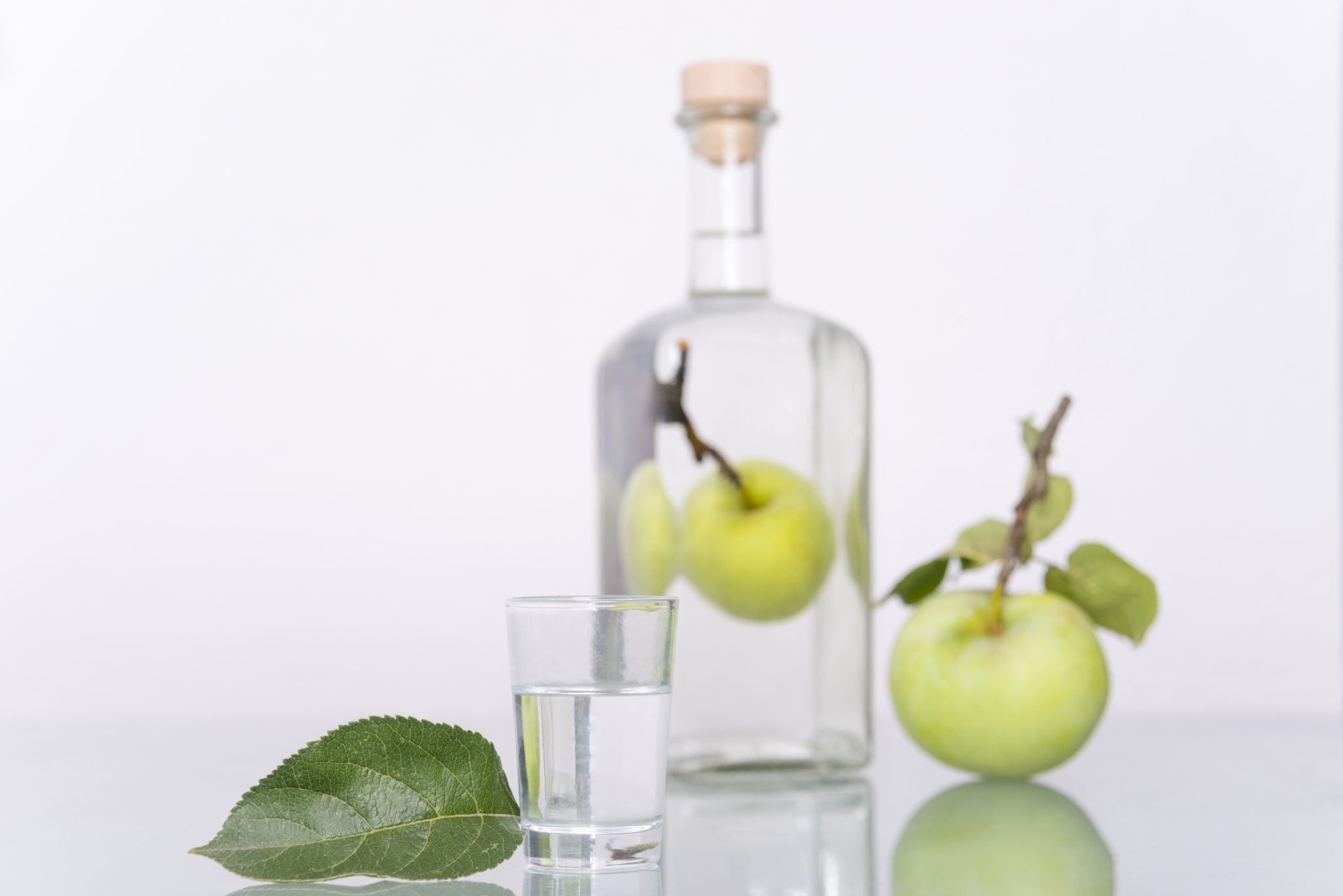
Obstler, a strong fruit brandy, bursts with the flavors of apples, pears, or other fruits. Widely enjoyed in southern Germany and the Alpine regions, this clear spirit is a potent digestif after meals, offering a fresh, fruity aroma with every sip.
Kirschwasser
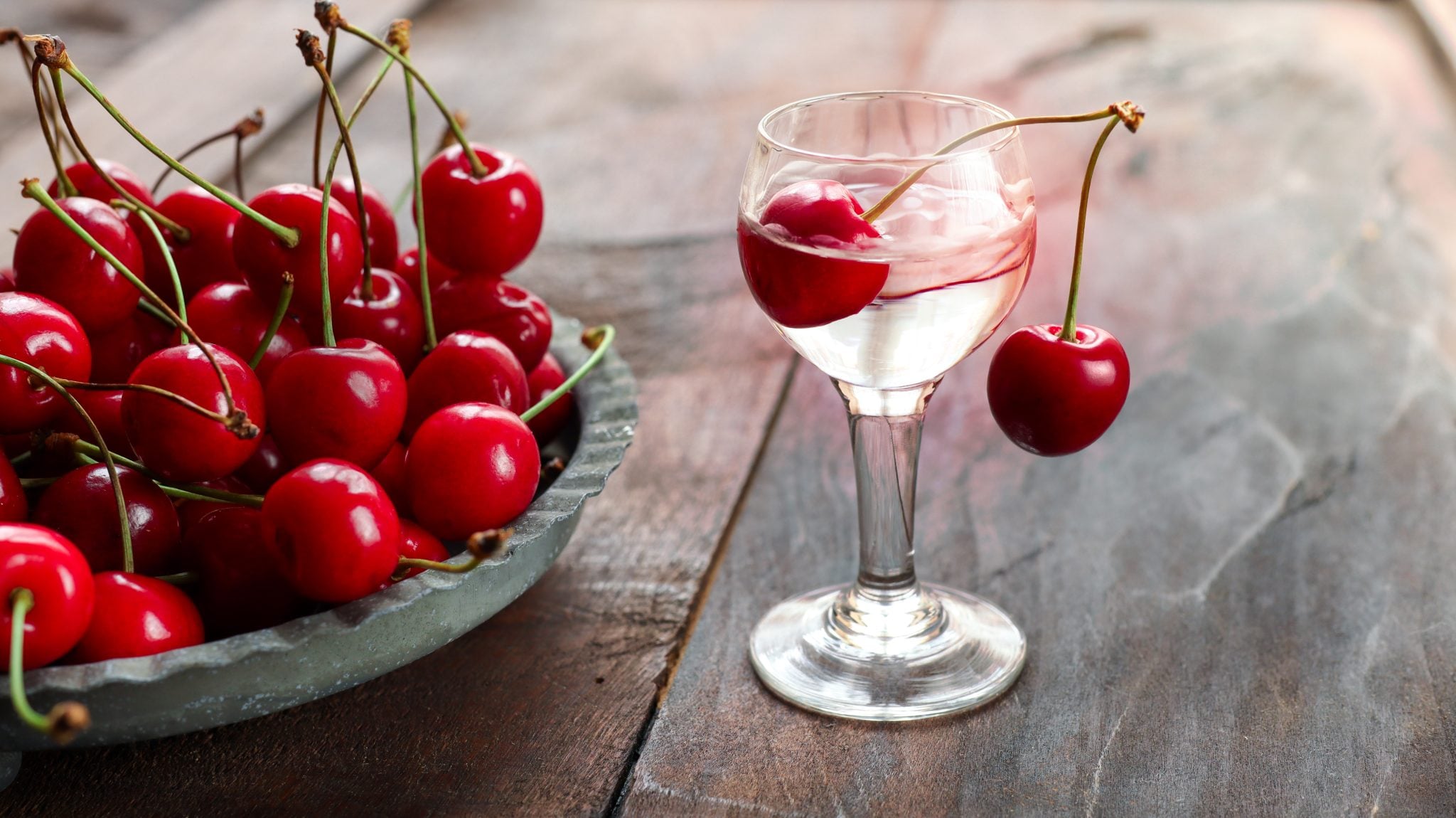
Kirschwasser, or “cherry water,” is a dry, clear cherry brandy from distilled sour cherries. This strong spirit adds a bold cherry flavor to cocktails or desserts like Black Forest cake. It’s also savored neat as a digestif.
Korn Schnapps
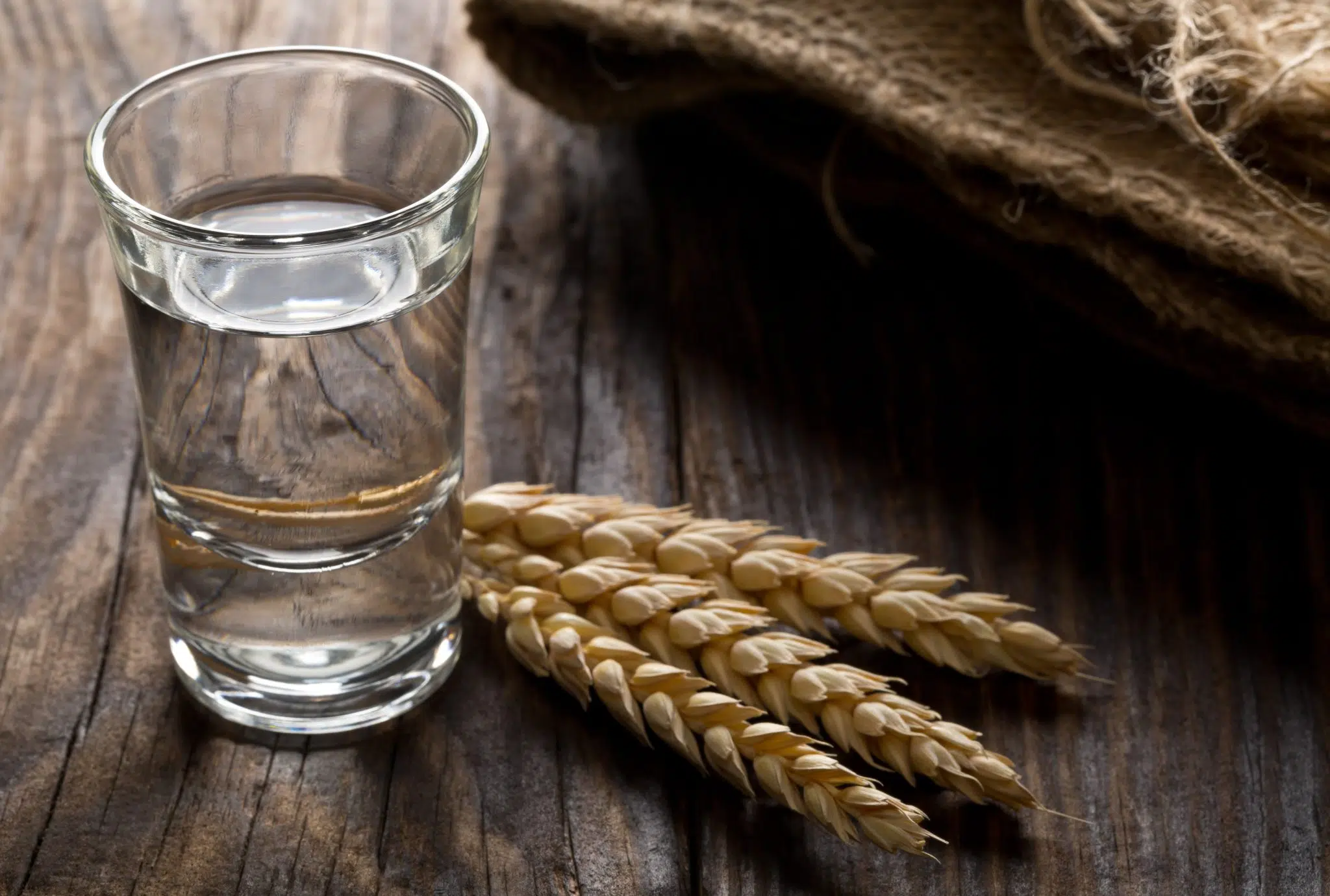
Korn Schnapps offers a clear grain spirit that is less harsh than other schnapps varieties. Korn is a staple of German drinking culture. It’s made from wheat, barley, or rye and enjoyed straight or mixed into simple cocktails. It’s especially popular in northern Germany.
Grog

Grog combines rum, hot water, sugar, and lemon to create a warm, soothing drink often enjoyed during cold winter months. It’s a favorite in the northern coastal regions of Germany, providing comfort with every sip on chilly nights. It’s also supposed to act as a cold remedy!
Tips for Food Pairings
German drinks aren’t just about what’s in the glass but also about what’s on the plate. The country’s iconic cocktails and beverages pair seamlessly with its rich culinary heritage, creating unforgettable flavor combinations. Take Apfelwein, for instance. This tart, dry apple wine cuts through the richness of traditional dishes like ‘Handkäse mit Musik’—that tangy, onion-topped cheese beloved in Hesse—or pairs beautifully with a fresh, warm pretzel straight from the oven.
For those with a sweet tooth, Eierlikör steps in. This creamy egg liqueur isn’t just a drink—it’s dessert in a glass. Pair it with Lebkuchen (German gingerbread) or a slice of decadent Black Forest cake for a match made in heaven. On the more savory side, Kräuterlikör—with its bold, herbal complexity—stands up to hearty meats like Bratwurst or roasted pork, which perfectly counterbalances the rich, fatty flavors.
And if you’re looking to keep things light, you can’t go wrong with Radler or Weinschorle. These refreshing sippers pair effortlessly with summer salads, grilled fish, or a simple slice of rustic bread with chive & cream cheese, offering a crisp, bubbly break from the heat.
Good to Know
What is the legal drinking age in Germany?
The legal drinking age in Germany is 16 for beer and wine, but you must be 18 to consume spirits like schnapps or cocktails with hard alcohol.
What is the difference between schnapps and liqueur?
In Germany, schnapps refers to a clear, strong spirit usually distilled from fruits (basically an unaged brandy), whereas liqueurs, like Kräuterlikör, are sweeter and made by infusing herbs, spices, or fruits with spirits and sugar.
Is Jägermeister only used as a shot?
While Jägermeister is famous for being enjoyed as a chilled shot, it’s also used in various cocktails, such as the Jägerbomb, Jäger Mule, and other mixed drinks.
What’s the origin of Feuerzangenbowle?
Feuerzangenbowle, a popular holiday punch, dates back to 19th-century Germany, where it was prepared as a festive drink, especially during the Christmas season.
Are there any non-alcoholic versions of German drinks?
Yes, many German drinks have non-alcoholic versions. For example, you can find non-alcoholic beers, and some bars offer a non-alcoholic Hugo made with sparkling water and elderflower syrup.
What is a popular German summer drink?
Aside from Radler and Hugo, Weinschorle, a mix of wine and sparkling water, is extremely popular during the summer months for its light and refreshing taste.
What is Altbier?
Altbier is a traditional German beer, especially popular in Düsseldorf, made with top-fermented yeast. It has a darker color and more robust flavor than typical lagers.
What’s a popular drink for New Year’s Eve in Germany?
In Germany, people often drink Sekt, a sparkling wine similar to Champagne, to celebrate New Year’s Eve. Both are different types of sparkling wines.