Making a mocktail that truly impresses is more than just pouring in some juice and calling it a day. It’s about getting that balance and richness that make each sip feel as satisfying as the real thing.
After trying many flavors and textures, I discovered a few key ingredients that add depth and body to mocktails. These ingredients give mocktails the same satisfying kick and complexity as cocktails.
Here are five common mocktail ingredients for crafting mocktails with extra flair.
The basic formula to make a mocktail
The mocktail formula adjusts to replace the missing alcohol balance found in cocktails. While there are different formulas for classic cocktails with alcohol, mocktails typically follow four parts base (like club soda, iced tea, or tonic), one part sour, and half a part sweet. The base liquid is key in flavor; tonic water adds a bitter note, while ginger beer brings spice and sweetness.
This balanced mix of base, sour, and sweet creates a flexible foundation, with endless variations using five key ingredients: vinegar & shrubs, cordials, saline, bitters, and verjus for added depth.
1. Vinegar & Shrubs
Vinegar-based shrubs bring a sweet and sour depth to mocktails, adding complexity and a bit of kick.
Shrubs are made from fruit, sugar, and vinegar and come in flavors that can be store-bought or homemade to fit your taste. For example, a strawberry-basil shrub adds freshness to a soda mocktail, while an apple-cinnamon shrub adds warmth to a “Mulled Apple Punch”. Start with a small amount—just a bar spoon—and adjust to taste.
Why They Work: Shrubs add tartness and a layered mouthfeel, helping lift mocktails that need more depth. They’re strong, so a little goes a long way.

2. Cordials
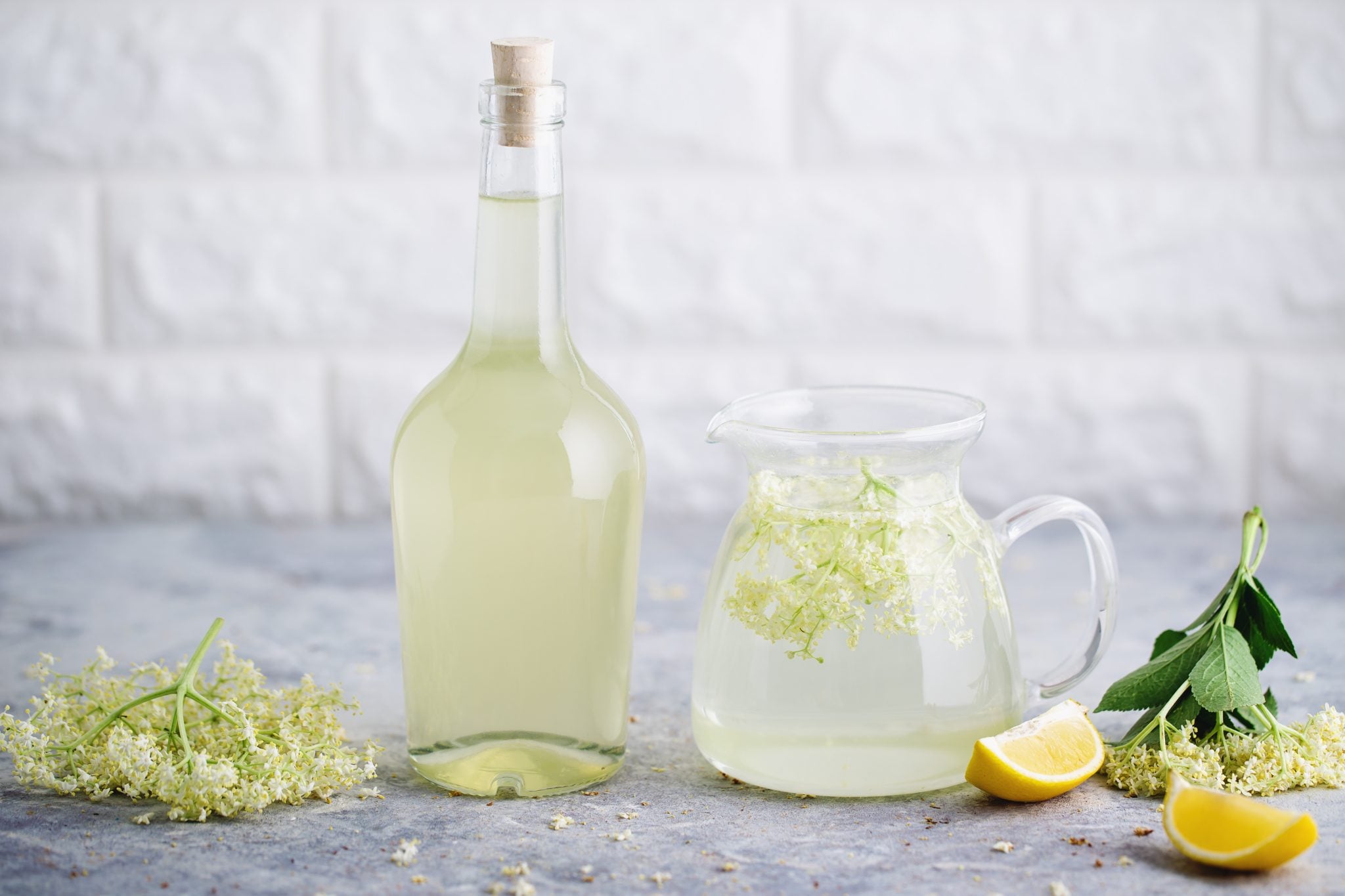
Turning syrups into cordials is an easy way to boost a mocktail. Cordials are concentrated syrups with a touch of acid that adds a pleasant tang and extra texture.
Try an elderflower cordial for a gentle floral touch in a “Virgin French 75,” or a lemon-thyme cordial to brighten a soda mocktail. You can make them at home and experiment with combinations like ginger-peach or blackberry-lavender.
Why They Work: Cordials add balance with sweet and tart flavors. They’re versatile and customizable, letting you tailor the flavors to suit any mocktail.
3. Salt (Saline Solution)
Adding a small amount of saline solution to a mocktail boosts flavors and adds depth, much like it does in food.
Salt naturally boosts flavors, reducing bitterness and balancing sweetness. For example, in a “Virgin Margarita,” a few drops of saline highlight the lime’s freshness and balance the sweetness of agave syrup.
Why It Works: Salt brings out subtle flavors, adding depth without overpowering. Start with a few drops and adjust to find the ideal balance.

4. Bitters
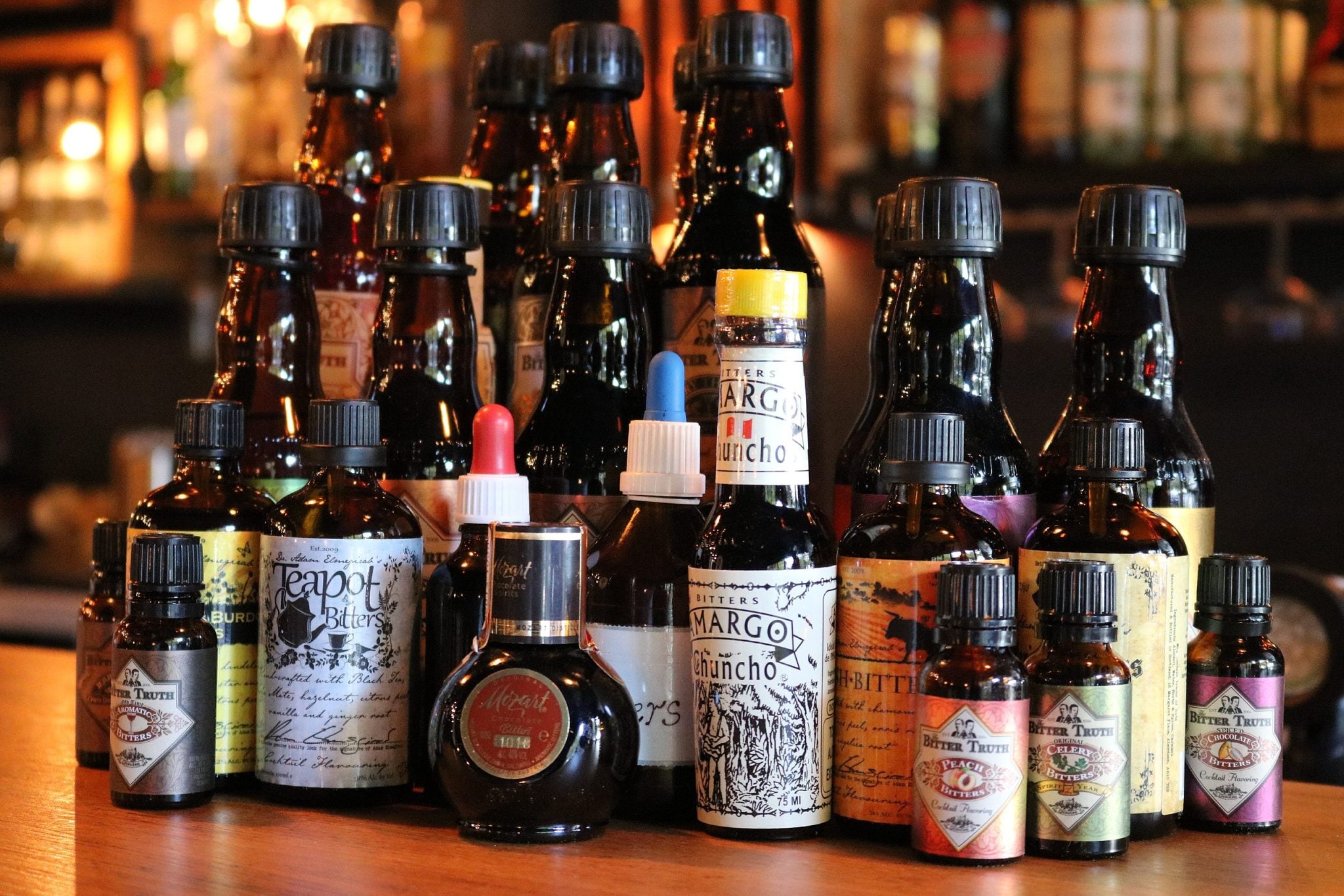
Bitters are a classic cocktail ingredient but are also great in mocktails for adding complexity.
Although most bitters contain some alcohol, the amount is so minimal it won’t impact the mocktail’s ABV. For those avoiding alcohol altogether, alcohol-free options like Fee Brothers work well. A few dashes of orange bitters in a “Mocktail Old Fashioned” or lavender bitters in a tea-based mocktail introduce a hint of bitterness and bring added depth.
Why They Work: Bitters add lasting flavor and spice, herbs, or fruit notes, providing mocktails with a fuller, more cocktail-like feel.
5. Verjus
Verjus, a tart juice from, makes a great non-alcoholic substitute for lemon juice. It offers similar acidity but with a milder, wine-like taste and grape notes, adding depth without any alcohol.
Use verjus in drinks like a “No-Gin Gimlet” or a “Virgin French 75” for balanced acidity with a refined touch.
Why It Works: Verjus has a gentle tang compared to lemon juice, adding sourness without overpowering other flavors. Its unique profile brings a subtle, sophisticated element to mocktails.

Alternative Ingredients for Extra Complexity
Use non-alcoholic spirit substitutes like Seedlip or Lyre’s for added depth and complexity in mocktails. These alternatives mimic the flavors and aromas of traditional spirits, bringing a layered profile to mocktails without the alcohol.
It is easy to find varieties that resemble rum, whiskey, and gin, allowing for an authentic cocktail experience that’s alcohol-free.
Storage Tips for Ingredients
Proper storage is key to preserving their freshness and flavor for homemade shrubs and cordials. Store these in airtight glass containers in the refrigerator, where they’ll stay vibrant for about 2-4 weeks.
Glass jars or bottles with tight seals work best as they prevent air exposure, helping maintain the ingredients’ quality and taste. Always label with the preparation date to keep track of freshness.